Empowering Your Legacy: The Power of Wills in Securing Your Assets and Wishes
A will is a legal document that allows you to determine how your assets will be distributed after your death. In different countries, inheritance laws vary, and if you pass away without a will, your assets will be divided according to the intestacy laws of your domicile country. However, this might not align with your wishes, particularly if you have assets in multiple countries.
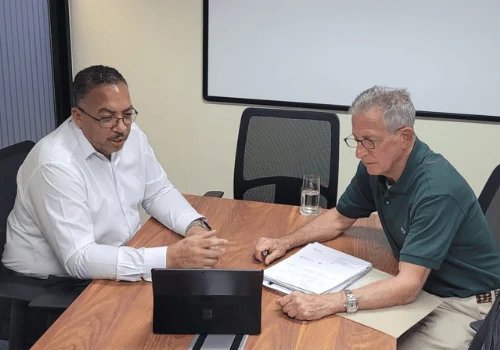
What a Will Empowers You To Do
Creating a will empowers you to:
- Select Your Beneficiaries: Choose exactly who inherits your assets
- Specify Distribution: Determine how assets are divided (equally among children, specific bequests to individuals, etc.)
- Protect Minor Children: Designate guardians of your choice rather than letting courts decide
- Appoint Your Executor: Name someone you trust to carry out your wishes (trusted friend, family member, or professional)
- Simplify the Process: Avoid lengthy and costly probate procedures, especially with multi-country assets
- Ensure Your Values Are Honored: Express your wishes for charitable giving, specific heirlooms, or other personal values
Why Having a Will Is Critical
Consider these essential points:
- Inheritance Laws Vary: Different countries have different intestacy laws. Without a will, your assets will be distributed according to YOUR domicile country's laws—which may not reflect your wishes
- Multi-Country Assets Complicate Everything: If you have assets in multiple countries, intestacy laws become exponentially more complex. A will provides clarity across all jurisdictions
- Probate Can Be Lengthy and Expensive: Without a will, probate becomes a long and costly process, especially with international assets. A will simplifies this, saving your beneficiaries significant time and money
- Court-Appointed Guardians May Not Be Your Choice: Without a will naming guardians, courts appoint guardians for your minor children—which may not be who you would have chosen
- Intestacy May Not Align With Your Wishes: Intestacy laws often distribute assets in ways you never intended, especially problematic if you have specific wishes or complex family situations
Protect Your Legacy
SCHEDULE CONSULTATIONEssential Estate Planning Documents
1. Will
The foundation of estate planning. Your will specifies:
- How your assets are distributed
- Who manages your estate (executor)
- Guardian for minor children
- Specific bequests and charitable gifts
2. Revocable Living Trust
A trust holds title to your assets and specifies distribution upon your death:
- Provides privacy (trusts aren't public like wills)
- Avoids probate process
- Allows professional management of assets
- Continues during incapacity
3. Power of Attorney
Allows someone to manage your financial affairs if you're incapacitated:
- Durable Power of Attorney: Remains valid if you become incapacitated
- Limited Power of Attorney: Applies to specific matters only
- Springing Power of Attorney: Activates only upon incapacity
4. Healthcare Directive/Living Will
Specifies your healthcare preferences:
- End-of-life care preferences
- Who makes healthcare decisions if unable
- Organ donation preferences
- HIPAA authorization (allows access to medical records)
5. Beneficiary Designations
Critical documents that should be kept current:
- Life insurance policies
- Retirement accounts (401k, IRA)
- Pay-on-death accounts
- Transfer-on-death securities
Estate Planning Considerations

Tax Planning
Minimize estate taxes for your heirs:
- Understand federal estate tax exemptions
- Consider lifetime gifts to reduce taxable estate
- Use trusts strategically
- Plan for state estate taxes if applicable
Guardianship Decisions
If you have minor children, designate guardians:
- Testamentary guardian (in your will)
- Alternate guardians if primary is unable
- Consider financial guardianship separately
Business Succession
If you own a business:
- Plan for business continuity
- Identify successor or sale plan
- Consider buy-sell agreements
- Document business valuation
Digital Assets and Accounts
Modern estates include digital assets:
- Email accounts and passwords
- Social media accounts
- Digital storage and files
- Online banking and investments
- Cryptocurrency and digital valuables
Plan Your Estate
Work with Ken and appropriate legal professionals to create a comprehensive estate plan.
CONNECT VIA WHATSAPPEstate Administration Process
Probate Process
If assets go through probate:
- Executor files will with court
- Court validates will
- Debts and taxes are paid
- Remaining assets distributed
- Process typically takes 6-12 months
Executor Responsibilities
The executor manages the estate:
- Locate and protect assets
- Pay debts and taxes
- Manage asset sales if needed
- Distribute assets to beneficiaries
- File final tax returns
Special Considerations for Expats: Critical Complexities

As an expat, making a will involves unique and complex considerations that require specialized expertise. These specific issues must be addressed when drafting your will:
Tax Implications Across Countries
The tax laws of the countries where you have assets must be carefully considered when drafting your will. Tax liabilities can significantly impact what your beneficiaries actually receive.
- Estate taxes vary dramatically by country
- Inheritance taxes differ from location to location
- Double taxation treaties may apply
- FBAR and FATCA reporting requirements affect planning
Legal Requirements Vary by Country
The legal requirements for making a valid will vary significantly from country to country:
- Document format and execution requirements differ
- Witness requirements vary
- Notarization may or may not be required
- Language requirements differ across jurisdictions
- What's valid in one country may not be valid in another
Language and Translation Issues
If you have assets in multiple countries, you may need to have your will translated into the language of each country where you have assets. Each translation must be precise and legally recognized.
Multi-Jurisdiction Asset Management
Expats often face:
- Currency risk affecting asset values across countries
- Different probate procedures in each jurisdiction
- Varying inheritance laws that may conflict
- Complex coordination between countries' legal systems
- Potential visa or residency status changes
Essential Tips for Expats Making a Will
Keep Your Will Up to Date
Your circumstances may change over time—new assets, changes in family situation, immigration status changes, or tax law changes. Review your will regularly and make updates as needed. A will drafted 5 years ago may no longer reflect your current situation.
Store Your Will in a Safe Place
Your will should be kept secure but accessible to your beneficiaries when needed:
- Store originals in a safe deposit box or attorney's office
- Keep copies in multiple secure locations across countries if you have assets in multiple jurisdictions
- Use digital storage for backup copies
- Ensure your executor knows where to find your will
Communicate With Your Beneficiaries
Make sure your beneficiaries know:
- That you have a will in place
- Where your will is located and how to access it
- Who your executor is and how to contact them
- Basic information about your assets and intentions
Getting Started with Estate Planning
Step 1: Inventory Your Assets
List all assets including:
- Real estate and property
- Bank and investment accounts
- Life insurance
- Retirement accounts
- Business interests
- Digital assets
Step 2: Clarify Your Wishes
Decide on key matters:
- Who manages your estate?
- How should assets be distributed?
- Who raises your children?
- What are your healthcare preferences?
- Charitable giving interests?
Step 3: Work with Professionals
Consult with:
- Estate planning attorney
- Tax advisor
- Financial advisor
- International experts (if applicable)
Step 4: Document and Update
Keep your plan current:
- Review every 3-5 years
- Update after major life changes
- Store securely with copies in multiple locations
- Share location with executor and key family members